
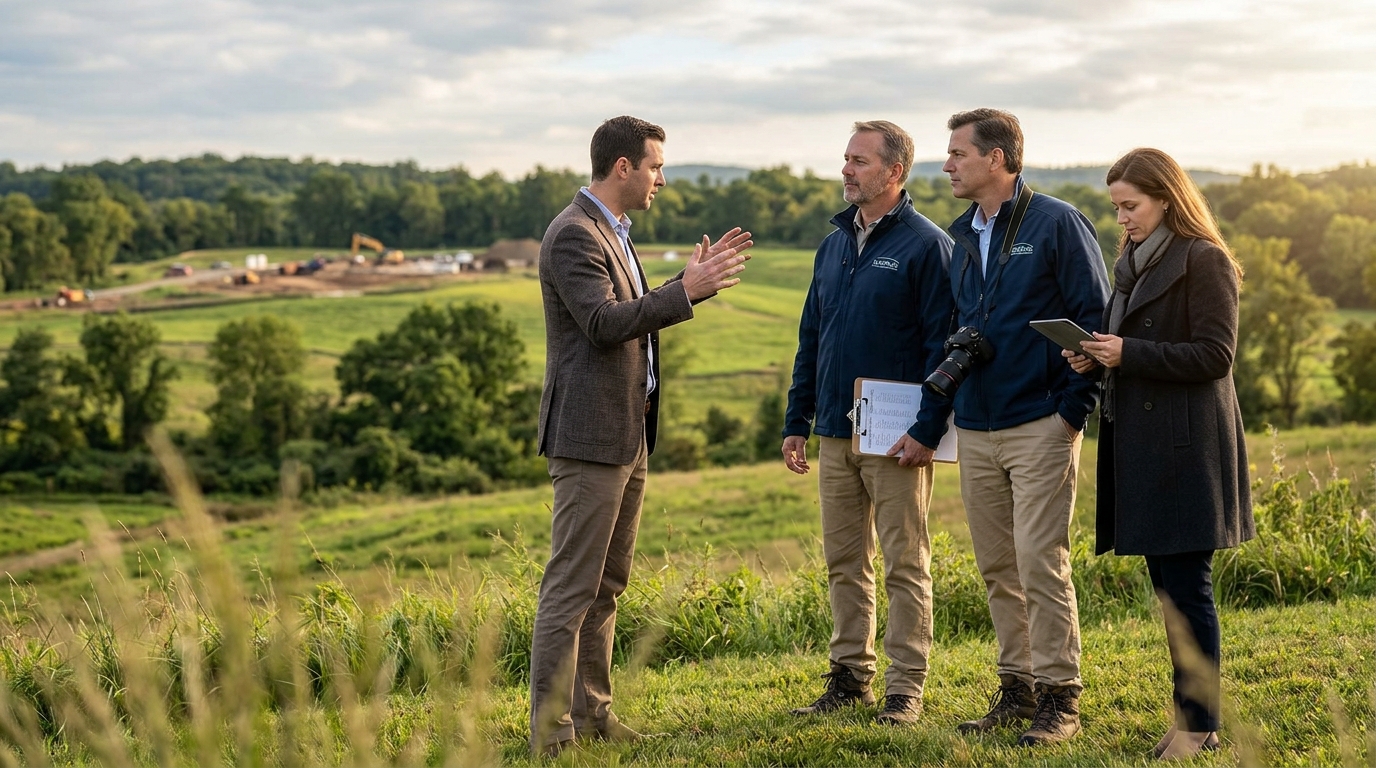
Land Appraisals for NJ Developers and Estate Attorneys
New Jersey Real Estate Appraisal Group (NJREAG) provides state-certified land appraisals for developers and estate attorneys across all 21 New Jersey counties. This guide covers how certified appraisers support estate valuations, developer feasibility studies, and complex land assignments. It explains the USPAP-compliant methodology, the difference between date-of-death and current market values, and how to select the right professional for your specific legal or financial needs.
Estate Attorney Valuations
Estate attorneys frequently require precise property valuations to settle probate cases and distribute assets fairly. A valuation in this context is an expert opinion of market value developed for a specific legal purpose. When an attorney requests a valuation, they are often looking for a defensible number that holds up under IRS scrutiny or court review. The distinction between a casual estimate and a formal valuation is critical. A formal valuation requires a physical inspection and a documented analysis of comparable sales. It is not merely a number pulled from an algorithm. It is a supported conclusion based on professional standards.
The Role of the Appraiser in Probate
In New Jersey, the probate process often involves determining the value of real estate at the date of death. This is known as a retrospective appraisal. The appraiser must analyze market conditions as they existed on that specific historical date. They cannot simply use today's sales data. They must look at sales that occurred near the date of death. This requires deep market knowledge and access to historical data. NJREAG specializes in these retrospective assignments. We understand the legal requirements for estate settlement. We provide reports that are clear, concise, and ready for legal filing.
Why Independent Valuation Matters
Attorneys need an independent voice. They cannot rely on a real estate agent who has a financial interest in the sale. They also cannot rely on an automated valuation model. These tools lack the nuance required for legal proceedings. An independent appraiser has no stake in the outcome. Their job is to find the truth of the market value. This independence is what makes the report defensible. It protects the attorney and their client from future disputes. It ensures that the estate is settled based on facts, not guesses.
Estate Attorney Appraisals
An estate appraisal is a formal document that details the methodology used to reach a value conclusion. It is more than just a number. It is a narrative of the market. It includes photos, maps, and a detailed analysis of comparable properties. For estate attorneys, this documentation is essential. It provides a paper trail that can be reviewed by judges, the IRS, or opposing counsel. The appraisal must comply with USPAP, the Uniform Standards of Professional Appraisal Practice. This ensures that the work is ethical and consistent. It also ensures that the appraiser is qualified to perform the assignment.
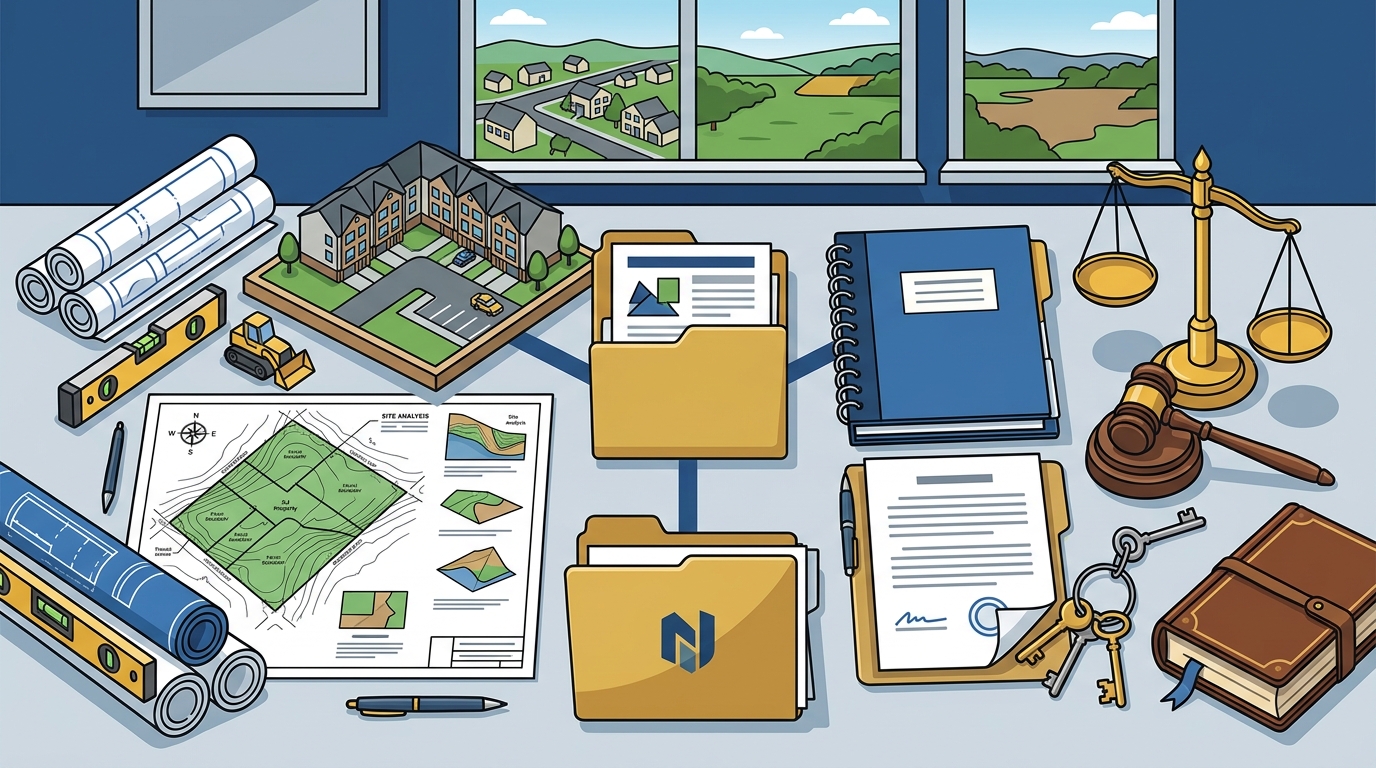
Date-of-Death vs. Current Value
One of the most common questions from estate attorneys is the difference between date-of-death value and current market value. Date-of-death value is what the property was worth on the day the owner passed away. Current market value is what the property is worth today. These two numbers can be very different. If the market has risen, the current value will be higher. If the market has fallen, the current value will be lower. For tax purposes, the date-of-death value is often the starting point for the cost basis. This is known as a step-up in basis. It can significantly reduce capital gains taxes for heirs. Getting this number right is crucial for the financial health of the estate.
Handling Complex Estate Properties
Not all estate properties are simple single-family homes. Some are multi-family buildings, commercial properties, or raw land. Each type requires a different approach. A multi-family building is often valued using the income approach. This looks at the rental income and expenses. A raw land parcel is valued based on its highest and best use. This might be residential development, commercial use, or conservation. The appraiser must identify the most likely use and value the land accordingly. NJREAG has experience with all types of property. We tailor our approach to the specific needs of the estate. We ensure that every aspect of the property is considered in the final value.
Developer Appraisals
Developers need appraisals to make informed investment decisions. They need to know if a project is financially viable. A developer appraisal is a forward-looking analysis. It estimates the value of the property after development is complete. It then subtracts the cost of development to determine the land value. This is known as the residual method. It is a complex process that requires accurate cost estimates. It also requires a realistic projection of future sales prices. If the projections are too optimistic, the land value will be overstated. If they are too conservative, the developer might miss a good opportunity. The appraiser must strike a balance. They must use market data to support their assumptions.
Feasibility Studies and Land Value
Before buying land, a developer should commission a feasibility study. This study includes an appraisal of the land. It also includes an analysis of the market for the proposed development. It looks at absorption rates, pricing trends, and competition. The appraisal provides the land value. The feasibility study provides the context. Together, they give the developer a complete picture. They can then decide if the project makes sense. If the numbers do not work, they can walk away. If they do work, they can proceed with confidence. This process saves developers time and money. It prevents them from buying land that is overpriced for its potential.
Financing and Lender Requirements
Land Appraisal Services
Land appraisal is a specialized field. It requires a deep understanding of zoning, land use, and market trends. Raw land is harder to value than improved property. There are no comparable sales for the land itself. There are only sales of similar land. The appraiser must adjust for differences in size, shape, access, and utilities. They must also consider the highest and best use of the land. This is the use that is legally permissible, physically possible, financially feasible, and maximally productive. Identifying this use is the key to accurate land valuation. It requires professional judgment and market knowledge.
USPAP Compliance and Reporting
All appraisals performed by NJREAG are USPAP-compliant. This means they meet the highest professional standards. The report is clear and easy to understand. It includes all the necessary information for the intended use. It is also defensible. If the value is challenged, the appraiser can explain how they reached their conclusion. This is important for both developers and estate attorneys. It provides a level of certainty that other methods cannot. It ensures that the value is based on facts, not opinions. It also ensures that the appraiser is acting ethically. This is why certified appraisers are the preferred choice for high-stakes valuations.
Local Market Expertise
New Jersey is a diverse state. It has urban, suburban, and rural markets. Each has its own dynamics. An appraiser who knows the local market is essential. They understand the nuances of zoning. They know which areas are growing and which are stagnant. They have access to local data that is not available online. This local expertise is what sets NJREAG apart. We serve all 21 counties. We have the knowledge to value property anywhere in the state. We provide consistent, high-quality service regardless of location. This is a key advantage for developers and attorneys who work across the state.
| Appraisal Type | Primary User | Key Focus | Typical Use Case |
|---|---|---|---|
| Estate Appraisal | Estate Attorney | Date-of-Death Value | Probate Settlement |
| Developer Appraisal | Real Estate Developer | Residual Land Value | Project Feasibility |
| Raw Land Appraisal | Investor / Developer | Highest and Best Use | Land Acquisition |
| Tax Appeal Appraisal | Property Owner | Current Market Value | Property Tax Reduction |
Key Takeaways
- Independence is Key: Estate attorneys and developers need an independent appraiser who has no financial stake in the outcome.
- USPAP Compliance: All reports must follow USPAP standards to be defensible in court or with the IRS.
- Date Matters: Estate appraisals often require a retrospective value as of the date of death, not the current date.
- Local Expertise: New Jersey has diverse markets. A local appraiser with county-specific knowledge is essential for accuracy.
- Documentation: A formal appraisal provides a detailed paper trail that supports the value conclusion.
- Feasibility: Developer appraisals use the residual method to estimate land value based on projected development costs.
- Statewide Coverage: NJREAG serves all 21 New Jersey counties, providing consistent service across the state.
- Professional Standards: Certified appraisers bring the training and experience needed for complex legal and financial assignments.
Frequently Asked Questions
What is the difference between an appraisal and an inspection?
An appraisal determines the market value of a property. An inspection evaluates the physical condition of the property. Appraisers focus on market data and comparable sales. Inspectors look for damage, code violations, and maintenance issues. They serve different purposes and are performed by different professionals.
Can I use a Zillow estimate for an estate settlement?
No. Zillow estimates are based on algorithms and are not accepted by courts, the IRS, or attorneys. They do not involve a physical inspection. They are not defensible in legal proceedings. You need a certified appraisal for estate settlement.
How long does a land appraisal take?
Most land appraisals take 5 to 10 business days. Complex assignments, such as large development sites, may take longer. The timeline depends on the availability of comparable sales and the complexity of the analysis. NJREAG provides a firm quote and timeline when you request a proposal.
Do you serve all counties in New Jersey?
Yes. NJREAG provides appraisal services in all 21 New Jersey counties. We have local expertise in each market. We can travel to any location in the state to perform an inspection. This makes us a convenient choice for developers and attorneys who work across the state.
What is a retrospective appraisal?
A retrospective appraisal is an opinion of value as of a date in the past. It is commonly used for estate settlements. The appraiser analyzes market conditions as they existed on that specific date. This is different from a current market value appraisal, which looks at today's market.
How much does a land appraisal cost?
Costs vary based on the size and complexity of the property. Most assignments range from $495 to $750. Larger or more complex properties may cost more. NJREAG provides a firm quote before starting the work. There are no hidden fees.
Can the appraiser testify in court?
Yes. Certified appraisers can testify as expert witnesses in court. They can explain their methodology and defend their value conclusion. This is important for legal proceedings where the value is disputed. NJREAG appraisers are experienced in providing expert testimony.
Conclusion
Choosing the right appraiser is a critical decision for developers and estate attorneys. You need a professional who understands the legal and financial implications of the valuation. You need someone who is independent, certified, and experienced. New Jersey Real Estate Appraisal Group provides these services across the state. We offer USPAP-compliant reports that are defensible and clear. Whether you need a date-of-death valuation for an estate or a feasibility study for a development project, we have the expertise to help. Contact us today to discuss your specific needs and receive a firm quote.