
Steps to Obtaining a Land Appraisal for Development and Estate Planning in New Jersey
Securing an accurate valuation for undeveloped land is a critical milestone for both developers and estate planners in New Jersey. According to recent industry data, land values in the Garden State have experienced significant volatility due to zoning changes and infrastructure developments, making professional appraisals more vital than ever for accurate financial planning. This guide outlines the precise steps to obtaining a land appraisal that meets the rigorous standards required by lenders, courts, and tax authorities.
Understanding the Need for a Land Appraisal
Land is not a commodity with a fixed price tag like a stock or bond. Its value is entirely dependent on its highest and best use, which can shift dramatically based on local zoning laws, environmental conditions, and market demand. For developers, an appraisal determines the feasibility of a project. For estate planners, it establishes the fair market value for tax purposes or equitable distribution among heirs.
Unlike residential homes, vacant land lacks comparable sales data that is as abundant or recent. This scarcity of data requires a more nuanced approach to valuation. New Jersey Real Estate Appraisal Group has spent over 26 years navigating these complexities across all 21 counties, ensuring that valuations are not just estimates, but defensible opinions of value.
Whether you are looking to secure a loan for land acquisition or settle an estate, the foundation of your decision-making rests on the accuracy of the appraisal report. A flawed valuation can lead to overpaying for a site or underestimating tax liabilities, both of which can derail a project or a family's financial future.
Choosing the Right Appraiser in New Jersey
The first step in the process is selecting a qualified professional. In New Jersey, real estate appraisers must be licensed or certified by the New Jersey Real Estate Appraisal Commission. However, not all licensed appraisers have the specific expertise required for land valuation.
For development and estate planning, you need a state-certified general appraiser. These professionals have undergone extensive training in land valuation methodologies and are qualified to appraise any type of property. Look for an appraiser who specializes in the specific county where the land is located. Local expertise is crucial because zoning regulations, such as those in Atlantic County or Bergen County, vary significantly even between neighboring municipalities.
When evaluating potential appraisers, ask about their experience with USPAP (Uniform Standards of Professional Appraisal Practice) compliance. USPAP is the generally accepted ethical and performance standard for the appraisal profession. An appraiser who adheres strictly to USPAP provides a report that is credible to lenders, attorneys, and tax boards.
Additionally, consider the appraiser's track record with similar projects. If you are planning a commercial development, ensure they have experience with income-producing property analysis. For estate planning, verify their ability to provide date-of-death valuations that are court-ready. New Jersey Real Estate Appraisal Group offers state-certified appraisers with deep local knowledge, ensuring that your land valuation is both accurate and defensible.
Preparing the Property for Inspection
Once you have engaged an appraiser, the next step is preparing the property for the on-site inspection. While land may seem simple, the appraiser needs to assess various physical and legal attributes. Your cooperation can significantly streamline this process and ensure the appraisal is as accurate as possible.
Provide Relevant Documentation
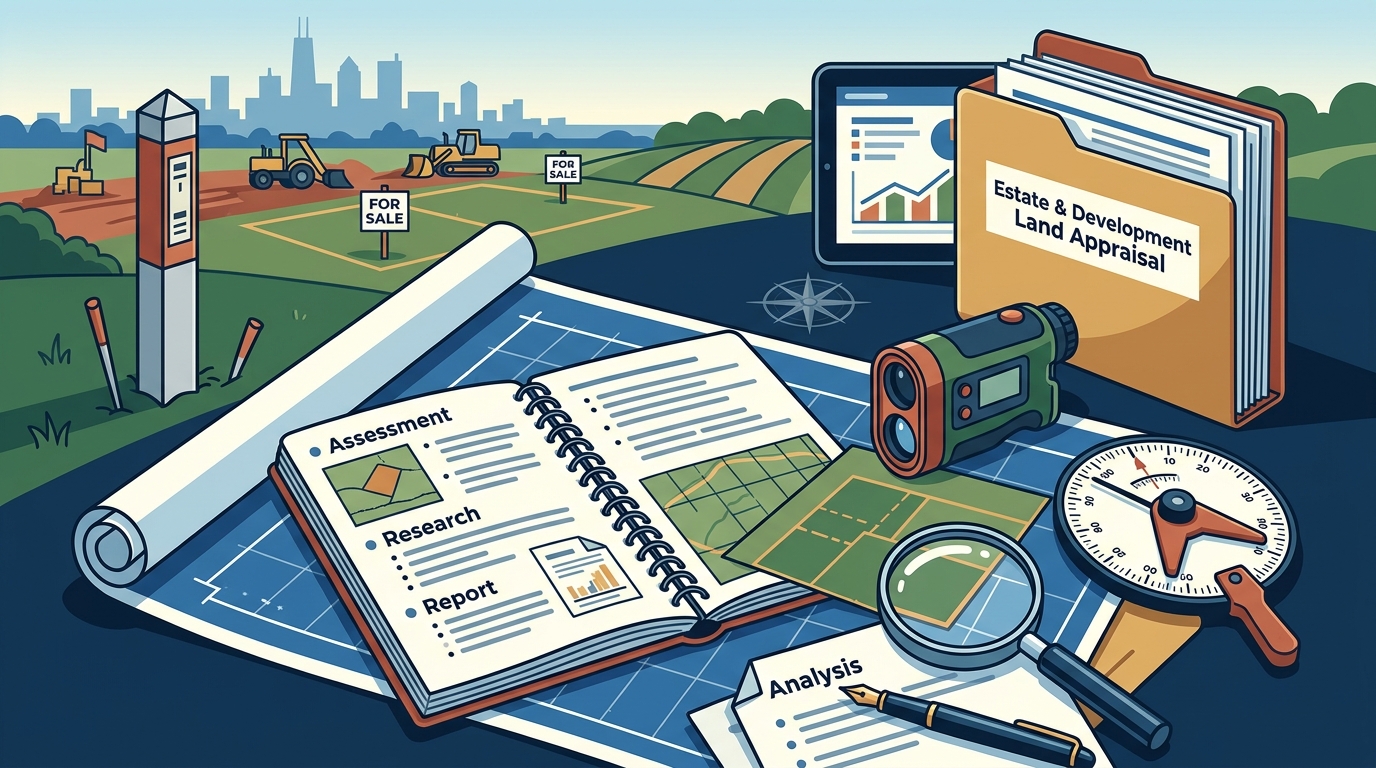
Gather all available documents related to the property. This includes the survey, plat maps, zoning certificates, and any previous environmental reports. If the land has been subdivided or has easements, provide documentation of these legal encumbrances. For estate planning, provide the date of death if applicable, as this establishes the valuation date.
Highlight Unique Features
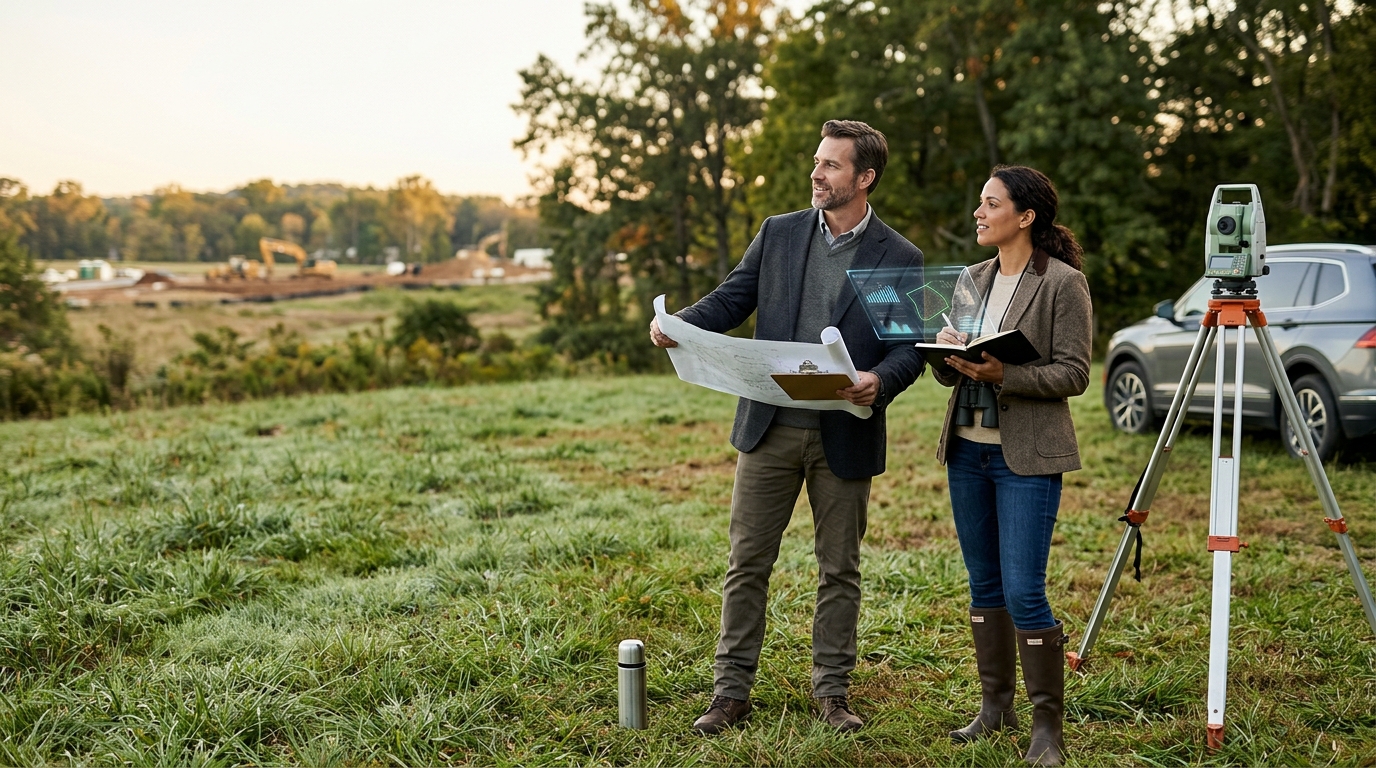
Walk the property with the appraiser and point out any unique features that may add value. This could include water frontage, mature timber, or existing utilities. Conversely, disclose any issues such as wetlands, soil contamination, or access problems. Transparency is key to avoiding surprises in the final report.
Clarify Intended Use
Clearly communicate your intended use for the land. Are you planning to build a single-family home, a multi-unit complex, or hold it for investment? The highest and best use analysis is central to land valuation, and your intended use helps the appraiser focus on the most relevant comparable sales and development costs.
The Appraisal Process and Methodologies
Understanding how an appraiser determines value can help you interpret the final report. Land appraisal typically involves three main approaches: the Sales Comparison Approach, the Cost Approach, and the Income Approach. The appraiser will select the most appropriate method based on the property type and intended use.
Sales Comparison Approach
This is the most common method for vacant land. The appraiser identifies recent sales of similar parcels in the area and adjusts for differences in size, location, zoning, and utilities. For example, a parcel with sewer access will typically command a higher price than one relying on a septic system. The accuracy of this approach depends heavily on the availability of comparable sales data.
Income Approach
For land intended for income production, such as commercial or agricultural use, the appraiser may use the income approach. This method capitalizes the net operating income generated by the land into a present value. This is particularly relevant for commercial real estate appraisals where rental income or lease rates are established.
Cost Approach
The cost approach estimates the value of the land by adding the cost of improvements to the land value. This is less common for raw land but may be used in unique situations where no comparable sales exist. It is often used in conjunction with other methods to cross-verify the valuation.
At NJREAG, we utilize cutting-edge data tools and in-depth market research to ensure that our valuations are grounded in verified data, not automated valuation models. This data-driven approach provides a higher level of accuracy and reliability.
Interpreting the Final Valuation Report
Once the inspection and analysis are complete, the appraiser will deliver a formal appraisal report. This document is the culmination of the process and contains the appraiser's final opinion of value. It is essential to review this report carefully to ensure it meets your needs.
Key Components of the Report
A standard appraisal report includes the property description, the scope of work, the appraisal methodologies used, and the final value conclusion. It also includes supporting data such as comparable sales maps, photos, and market trend analysis. For estate planning, the report must clearly state the date of valuation and the purpose of the appraisal.
Reviewing the Assumptions
Pay close attention to the assumptions and limiting conditions in the report. These define the parameters under which the value was determined. For example, if the appraisal assumes that zoning will be changed, this must be clearly stated. If the zoning has not been officially changed, the appraisal may not be valid for development purposes.
Challenging the Valuation
If you disagree with the appraised value, you have the right to challenge it. However, this should be done with evidence. Provide the appraiser with additional comparable sales data or point out any errors in the property description. A professional appraiser will review your concerns and adjust the report if warranted. Our articles provide further insights into how to prepare for an appraisal and avoid common pitfalls.
Common Pitfalls in Land Valuation
Land appraisal is complex, and there are several pitfalls that can lead to inaccurate valuations. Being aware of these can help you avoid them.
Ignoring Zoning Restrictions
Zoning is the single most important factor in land value. A parcel zoned for residential use may have a significantly lower value than one zoned for commercial use. Ensure that the appraiser is aware of the current zoning and any pending changes.
Overlooking Environmental Issues
Environmental conditions, such as wetlands or soil contamination, can drastically reduce land value. If you are unaware of these issues, the appraiser may not be able to account for them. Conduct a Phase I environmental assessment if necessary.
Failing to Consider Highest and Best Use
The highest and best use of land is the most probable use that is legally permissible, physically possible, financially feasible, and maximally productive. If the appraiser does not correctly identify this use, the valuation will be inaccurate. Provide clear information about your intended use and market demand.
Relying on Automated Valuation Models
Automated Valuation Models (AVMs) are useful for quick estimates but are not suitable for complex land valuations. They lack the nuance of human judgment and local expertise. Always hire a state-certified appraiser for critical decisions.
Key Takeaways
- State-Certified Expertise: Ensure your appraiser is state-certified and has specific experience in land valuation in New Jersey.
- Local Knowledge: Zoning and market conditions vary by county; choose an appraiser with deep local expertise.
- USPAP Compliance: The appraisal must adhere to Uniform Standards of Professional Appraisal Practice to be credible.
- Documentation: Provide all relevant documents, including surveys, zoning certificates, and environmental reports.
- Clear Intent: Communicate your intended use for the land to help the appraiser determine highest and best use.
- Review the Report: Carefully review the assumptions and methodologies in the final report.
- Professional Guidance: For complex estates or developments, consider consulting with an estate attorney or real estate agent alongside your appraiser.
Frequently Asked Questions
How long does it take to get a land appraisal in New Jersey?
Typically, the turnaround time for a land appraisal is 5-7 business days after the inspection. This allows the appraiser to conduct thorough market research and prepare a detailed report.
What is the difference between a land appraisal and a home appraisal?
A land appraisal focuses on the value of the vacant land, considering factors like zoning, topography, and utilities. A home appraisal includes the value of the improvements (the house) and the land. Land appraisals are more complex due to the lack of comparable sales data.
Do I need an appraisal for estate planning?
Yes, an appraisal is often required to establish the fair market value of the land for estate tax purposes or for equitable distribution among heirs. A professional appraisal provides a defensible value that can withstand scrutiny from tax authorities or courts.
Can I use an online estimate for my land value?
Online estimates are not reliable for critical decisions. They lack the nuance of local market knowledge and professional judgment. For development or estate planning, a professional appraisal is essential.
What if I disagree with the appraised value?
You can challenge the appraisal by providing additional evidence, such as comparable sales data or errors in the property description. A professional appraiser will review your concerns and adjust the report if warranted.
How much does a land appraisal cost?
The cost varies based on the size, location, and complexity of the property. However, the cost is a small fraction of the potential financial impact of an inaccurate valuation. Contact us for a transparent quote.
What is USPAP?
USPAP stands for Uniform Standards of Professional Appraisal Practice. It is the generally accepted ethical and performance standard for the appraisal profession in the United States.
Request Your Professional Appraisal
Obtaining a land appraisal for development or estate planning is a critical step that requires precision, local expertise, and professional integrity. Do not leave your property's value to chance. New Jersey Real Estate Appraisal Group offers state-certified appraisers with over 26 years of experience serving all 21 counties in New Jersey.
We provide accurate, USPAP-compliant valuations that meet the needs of lenders, attorneys, and property owners. Whether you need a residential appraisal, commercial appraisal, or land appraisal, we are here to help. Contact us today to schedule your inspection and receive a fast, professional quote.