

You can hire a state-certified general appraiser for multi-family properties in New Jersey through the New Jersey Real Estate Appraisal Group (NJREAG). This guide covers the specific licensing tiers, USPAP compliance standards, and verification steps required to secure a defensible valuation for your investment property.
USPAP Compliance Requirements
Uniform Standards of Professional Appraisal Practice (USPAP) is the national ethical and performance framework that governs all real estate appraisals in the United States. For multi-family properties, compliance with USPAP is not optional; it is the baseline for any report intended for legal, lending, or tax purposes. The standards mandate that appraisers maintain strict independence and avoid any fee arrangement tied to the property's final value.
Independence and Objectivity
Objectivity is the core duty of any appraiser. A reliable appraiser forms an independent opinion of value based on market data, not on what a buyer, seller, or lender wants to hear. Federal regulations require appraiser independence, meaning the appraiser cannot be pressured to reach a specific value. In most lending transactions, appraisers are assigned through Appraisal Management Companies (AMCs) specifically to prevent conflicts of interest.
Documentation and Defensibility
Multi-family appraisals require detailed documentation of the income approach, which is often the primary method for valuing these assets. The appraiser must document every comparable sale selected, every adjustment made, and every conclusion drawn with enough transparency that opposing counsel or a lender's review appraiser can trace the reasoning step by step. A transactional appraisal written for a lender does not carry the same burden as a litigation appraisal, but both must meet USPAP reporting standards. according to Multi Family Housing
State Licensing Verification
Before hiring any professional, you must verify their credentials through the New Jersey State Real Estate Appraiser Board. This board is responsible for the regulation of real estate appraisers in New Jersey. The category of licenses issued by the board includes licensed real estate appraisers, residential appraisers, certified general appraisers, and apprentice appraisers. An appraisal is an independent, unbiased estimate of value of real property.
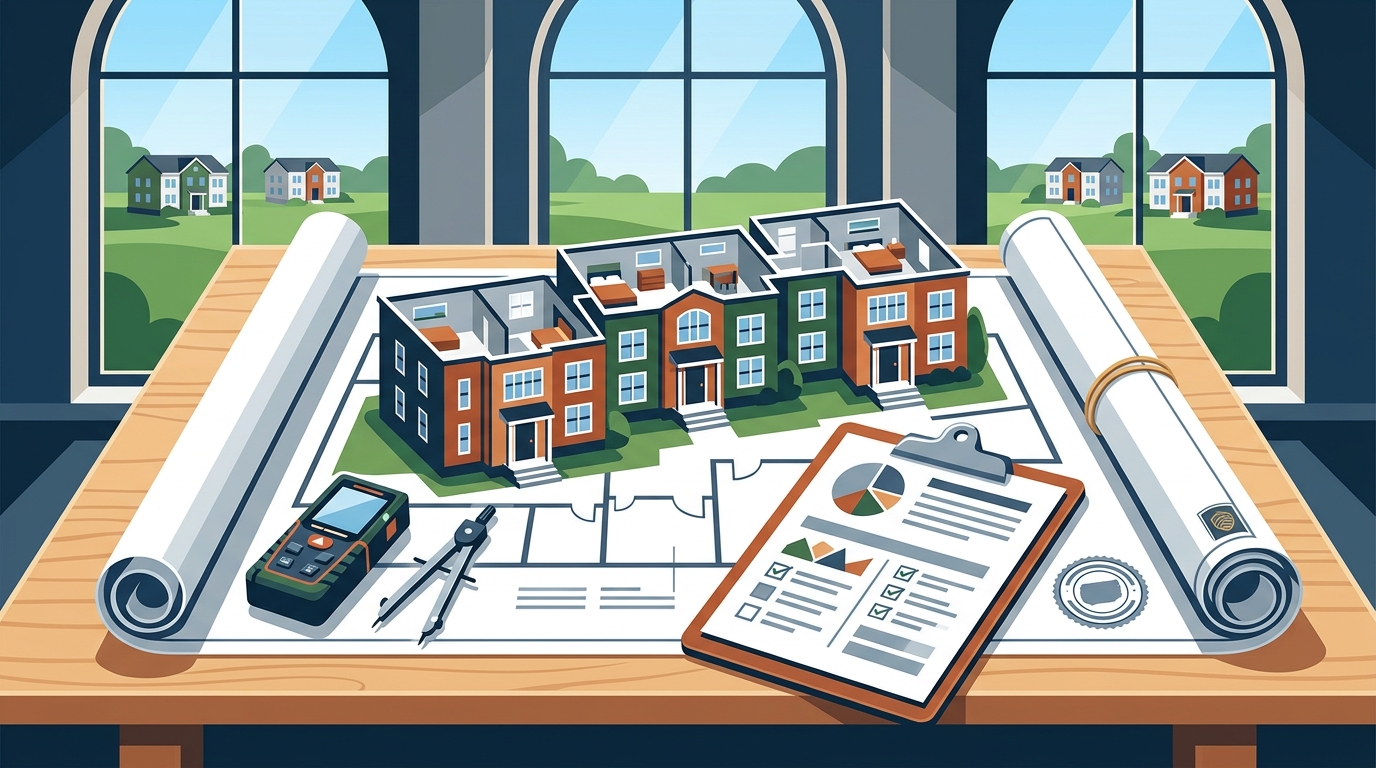
License Tiers and Scope
Each credential level limits which assignments an appraiser can legally perform. A residential appraiser is limited to valuing single-family homes and properties with up to four units. For multi-family properties with five or more units, you must hire a certified general appraiser. Using a residential appraiser for a multi-family asset will result in a report that is legally invalid and will not be accepted by lenders or courts.
Verification Steps
Run a quick license lookup on the New Jersey State Real Estate Appraiser Board's online registry before your first call. Confirm the license is active, the credential level matches the assignment, and there are no open disciplinary actions. This step protects you from relying on a report that may be challenged later due to the appraiser's lack of proper qualification.
State Certification Requirements
Certification in New Jersey involves meeting specific education, experience, and examination requirements set by the state. Certified appraisals are legally defensible because they follow USPAP and industry-standard methodology. For attorneys and financial professionals who need property value to hold up under cross-examination, understanding the difference between certified and non-certified appraisers is essential. according to Tax Assessor City
Experience and Education
Certified general appraisers must complete a specific number of hours of classroom education and a substantial amount of field experience. This experience typically includes valuing complex properties such as multi-family buildings, commercial offices, and industrial facilities. The state ensures that only those with proven expertise in high-value and complex assets can hold this credential.
Ethical Standards
Our group of appraisers is committed to the highest ethical standards in their work, maintaining objectivity, independence, and confidentiality at all times. Certification is not just a technical requirement; it is a pledge to adhere to a code of ethics that prioritizes the integrity of the valuation process over the interests of any single party.
Finding Licensed Appraisers
When searching for a multi-family appraiser in New Jersey, you need a professional who combines state certification with local market knowledge. New Jersey Real Estate Appraisal Group (NJREAG) provides state-certified commercial appraisal services throughout New Jersey. Our reports combine in-depth market analysis, income and comparable data, and USPAP-compliant methodology to meet the standards required by lenders, investors, attorneys, and government agencies.
Local Market Expertise
Multi-family values vary significantly by location. A building in a high-demand urban area like Jersey City will have different income potential and risk factors than a similar building in a suburban township. Local market knowledge is essential for accurate valuations. NJREAG serves clients across all counties in New Jersey, from Union, Middlesex, and Monmouth to Bergen, Essex, and Ocean, providing fast, reliable, and locally informed real estate appraisals. according to Multi Family Housing
Service Scope and Turnaround
We provide certified commercial appraisals for a wide range of property types, including apartment buildings with five or more units. You receive a certified commercial appraisal tailored to your assignment, including income, cost, and sales comparison approaches. Delivery is typically in 5 to 10 business days, with rush options available when needed. To plan your visit, for a firm quote.
| Appraiser Type | Legal Scope in NJ | Multi-Family (5+ Units) | Best For |
|---|---|---|---|
| Residential Appraiser | 1-4 unit properties | No | Single-family homes, duplexes, triplexes |
| Licensed Real Estate Appraiser | Non-residential under $1M or low complexity | Limited | Small commercial, low-value multi-family |
| Certified General Appraiser | All property types, no value limit | Yes | Large multi-family, commercial, litigation |
Key Takeaways
- Only certified general appraisers can legally value multi-family properties with five or more units in New Jersey.
- USPAP compliance ensures the appraisal is independent, objective, and defensible in court or before a lender.
- Verify the appraiser's license status and credential level on the NJ State Real Estate Appraiser Board registry.
- Local market knowledge is critical for accurate income and comparable sales analysis in multi-family valuations. according to Area Sales Analysis
- New Jersey Real Estate Appraisal Group (NJREAG) offers state-certified, USPAP-compliant reports for all NJ counties.
- Turnaround times for commercial and multi-family appraisals are typically 5 to 10 business days.
- Informal estimates or automated valuation models (AVMs) are not acceptable for legal or high-stakes lending purposes.
- Clear communication and a defined scope of work prevent delays and ensure the report meets your specific needs.
Frequently Asked Questions
What is the difference between a licensed and certified appraiser in NJ?
A licensed appraiser can value residential properties up to four units and non-residential properties under specific value limits. A certified general appraiser can value any type of real property, including large multi-family buildings, with no value limit. For multi-family properties with five or more units, you must use a certified general appraiser.
How long does a multi-family appraisal take in New Jersey?
Most multi-family appraisals are delivered in 5 to 10 business days. Rush services may be available for urgent legal or lending deadlines. The timeline depends on the complexity of the property and the availability of comparable sales data.
Can I use a Zestimate or AVM for a multi-family property?
No. Automated valuation models (AVMs) are not acceptable for legal, estate, or high-stakes lending purposes. Courts and lenders require a signed report from a state-certified appraiser who has inspected the property and analyzed comparable sales.
Who regulates appraisers in New Jersey?
The New Jersey State Real Estate Appraiser Board regulates all real estate appraisers in the state. They issue licenses, enforce ethical standards, and maintain a public registry of active appraisers.
What is the primary approach for valuing multi-family properties?
The income capitalization approach is typically the primary method for valuing multi-family properties. It analyzes the property's net operating income (NOI) and applies a capitalization rate to determine value. Appraisers also use the sales comparison and cost approaches to support the final opinion.
How do I verify an appraiser's credentials?
Search the New Jersey State Real Estate Appraiser Board's online registry. Confirm the license is active, the credential level is Certified General, and there are no disciplinary actions. This step is crucial for ensuring the report is legally valid.
Does NJREAG serve all counties in New Jersey?
Yes. New Jersey Real Estate Appraisal Group (NJREAG) provides state-certified appraisals for clients across all 21 counties in New Jersey. We have local market expertise in urban, suburban, and rural areas throughout the state.
Conclusion
Hiring the right appraiser for a multi-family property in New Jersey requires more than finding a local professional. You need a state-certified general appraiser who adheres to USPAP standards and possesses deep local market knowledge. New Jersey Real Estate Appraisal Group (NJREAG) provides the expertise, independence, and defensible reporting you need for your investment. When good value matters, don't guess it. Appraise it with a certified professional who understands the New Jersey market. according to Unclaimed Property Administration