

Most standard residential appraisals in New Jersey are completed within 5 to 7 business days after the property inspection. This timeline allows for a thorough market analysis, comparable sales research, and the preparation of a defensible, USPAP-compliant report. This guide covers the specific stages of the appraisal process, the factors that influence speed, and how to manage your expectations for a timely valuation.
The Standard Appraisal Timeline
A real estate appraisal is a formal, unbiased opinion of a property's market value. For a home sale in New Jersey, the process typically begins when you or your lender requests the assignment. The standard timeline for a residential appraisal is generally 5 to 7 business days from the date of the inspection. This period is not arbitrary; it is designed to ensure that the appraiser has sufficient time to conduct a physical inspection, research local market data, and draft a comprehensive report. While some simple assignments may be completed faster, the 5-to-7-day window is the industry standard for ensuring accuracy and compliance with professional standards.
Initial Scheduling
The first step in the timeline is scheduling the inspection. Depending on the appraiser's current workload and your availability, this can take anywhere from 2 to 5 business days. In high-demand areas of New Jersey, such as Bergen or Monmouth counties, scheduling may take slightly longer. It is important to be flexible with your availability to secure an early appointment, which directly impacts the overall completion date.
The Inspection Phase
Once scheduled, the appraiser will visit the property to conduct a physical inspection. This is the core of the appraisal process. The appraiser will measure the home, assess its condition, and note any unique features or deficiencies. This phase is critical because it provides the physical evidence that supports the final value conclusion. Without a thorough inspection, the appraisal cannot be considered credible or defensible in a legal or financial context.
Inspection Duration and Logistics
The physical inspection of a residential property usually takes between 30 and 60 minutes. For larger or more complex properties, such as multi-family homes or estates with extensive outbuildings, the inspection may take up to 90 minutes. The duration depends on the size of the home, the number of rooms, and the condition of the property. A well-maintained home with easy access to all areas will typically result in a shorter inspection time. Conversely, a home with difficult access, such as a steep staircase or a locked attic, may require more time.
Preparation for the Inspection
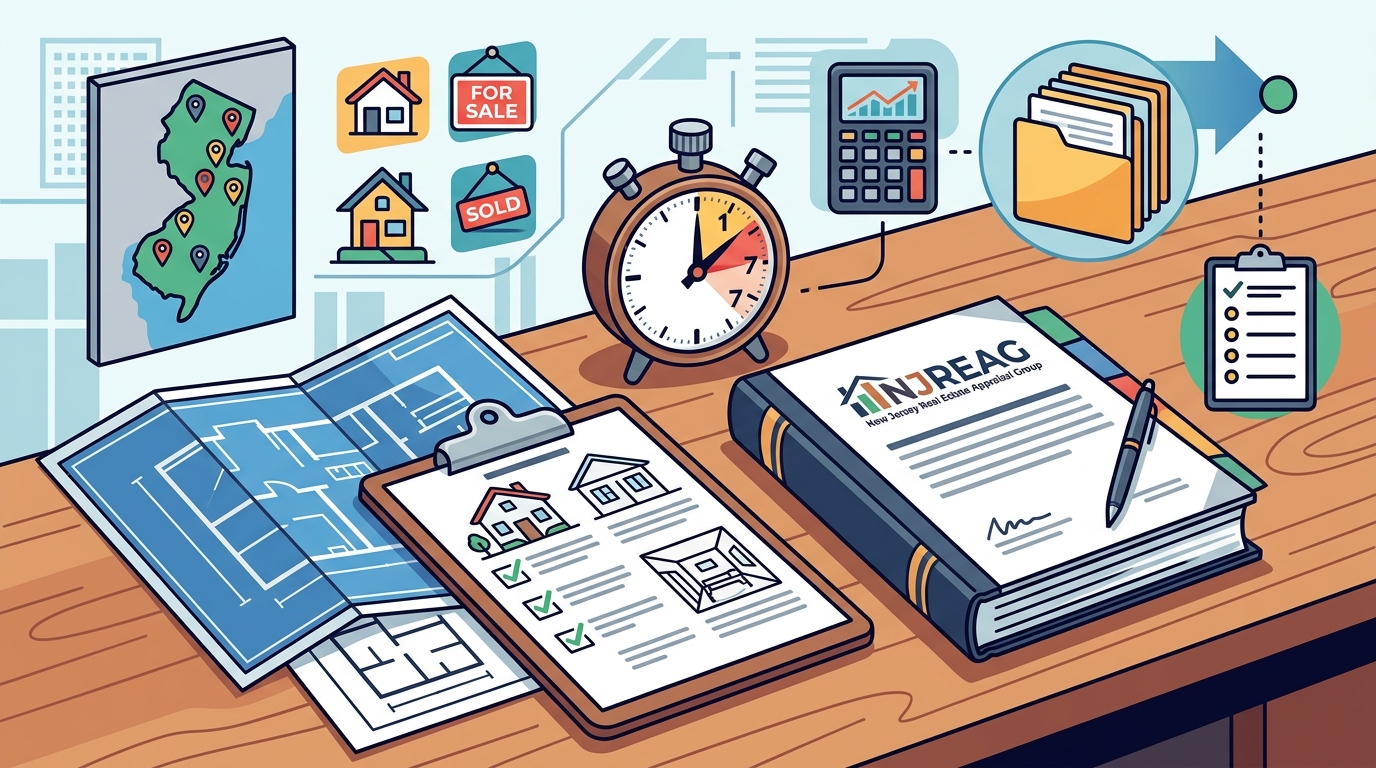
To ensure the inspection goes smoothly, you should prepare your home in advance. Clean the interior and exterior, secure pets, and unlock all rooms, including the attic and basement. Provide any documentation for recent renovations or permits. This preparation helps the appraiser work efficiently, which can contribute to a faster overall process. A well-prepared home allows the appraiser to focus on valuation rather than searching for access points or documentation.
What the Appraiser Looks For
During the inspection, the appraiser is not just looking at the aesthetics of the home. They are assessing the quality of construction, the condition of major systems, and the overall livability of the space. They will also note any signs of deferred maintenance or structural issues. These observations are critical for determining the property's value and for making adjustments to comparable sales. The more accurate the inspection, the more reliable the final report.
Report Completion and Review
After the inspection, the appraiser begins the analysis and report writing phase. This is where the bulk of the 5-to-7 day timeline is spent. The appraiser must research comparable sales, analyze market trends, and apply valuation adjustments. They then draft the report, which includes photos, maps, and a detailed explanation of the value conclusion. This process requires meticulous attention to detail to ensure the report is defensible and meets all professional standards. The final report is then reviewed for quality control before it is delivered to you or your lender.
Quality Control and Compliance
Every appraisal report must comply with the Uniform Standards of Professional Appraisal Practice (USPAP). This means the report must be thorough, unbiased, and well-supported. The quality control process ensures that all data is accurate and that the value conclusion is logical. This step is non-negotiable and is a key reason why appraisals take several days to complete. Skipping this step would compromise the integrity of the appraisal and could lead to issues in the sale or financing process.
Delivery of the Report
Once the report is finalized, it is delivered electronically to the intended users. This is typically done within 24 hours of completion. You will receive a copy of the report, and your lender or attorney will also receive a copy. The electronic delivery ensures that the report is available quickly for review and use in the transaction. If there are any questions about the report, you can contact the appraiser directly for clarification.
Factors That Affect Appraisal Speed
Several factors can influence how quickly an appraisal is completed. Understanding these factors can help you manage your expectations and plan accordingly. The most significant factors include the complexity of the property, the appraiser's workload, and the time of year. Each of these elements plays a role in determining the overall timeline for your appraisal.
Property Complexity
Simple, single-family homes in standard neighborhoods are typically appraised faster than complex properties. A home with unique features, such as a large lot, a historic designation, or a complex floor plan, will require more time to analyze. The appraiser must research more comparable sales and make more adjustments to arrive at an accurate value. This additional research and analysis can extend the timeline by a few days.
Appraiser Workload
The number of assignments an appraiser is currently handling can impact their availability. During peak seasons, appraisers may have a full schedule, which can delay the inspection and report completion. Choosing an appraiser with a manageable workload can help ensure a faster turnaround. It is also important to communicate your timeline needs clearly when requesting the appraisal.
Market Conditions
Market conditions can also affect the appraisal process. In a hot market with many sales, the appraiser may have more data to work with, which can speed up the analysis. In a slow market, finding recent, comparable sales may take longer. This can extend the time needed to complete the report. However, the appraiser will always use the most relevant data available to ensure an accurate valuation.
Understanding Turnaround Time
Turnaround time refers to the total time from the initial request to the delivery of the final report. For a standard residential appraisal, this is typically 7 to 10 business days. This includes the time for scheduling, the inspection, and the report completion. It is important to distinguish between the inspection date and the report delivery date. The inspection is just one part of the process, and the report takes additional time to complete. Understanding this distinction can help you plan your sale or refinance more effectively.
Business Days vs. Calendar Days
When discussing appraisal timelines, it is important to remember that most appraisers work on a business day basis. This means that weekends and holidays are not included in the timeline. A 5-business-day turnaround does not mean 5 calendar days. It means 5 days of actual work, excluding Saturdays, Sundays, and any public holidays. This is a common point of confusion for homeowners, so it is important to clarify this with your appraiser.
Communication and Updates
Good communication is key to a smooth appraisal process. A professional appraiser will keep you informed of the status of your assignment. They will let you know when the inspection is scheduled and when the report is expected to be delivered. If there are any delays, they will communicate these promptly. This transparency helps you manage your expectations and plan for any potential issues.
Expedited and Rush Services
For some transactions, time is of the essence. In these cases, expedited or rush services may be available. These services allow the appraiser to prioritize your assignment and complete it in a shorter timeframe. Rush appraisals can often be completed in 2 to 3 business days after the inspection. However, these services typically come at a higher cost. It is important to weigh the benefits of a faster turnaround against the additional expense.
When to Use Rush Services
Rush services are best suited for situations where a quick valuation is critical. This may include a time-sensitive sale, a short sale, or a refinance with a tight deadline. If you are in a situation where you need a quick appraisal, it is important to communicate this to the appraiser as soon as possible. They can then determine if they have the capacity to accommodate your request. Not all appraisers offer rush services, so it is important to confirm this in advance.
Cost Considerations
Expedited services usually carry a premium fee. This is because the appraiser is prioritizing your assignment over others. The cost of a rush appraisal can be significantly higher than a standard appraisal. It is important to discuss the cost with the appraiser before agreeing to rush services. This will help you make an informed decision about whether the faster turnaround is worth the additional expense.
Seasonal Impacts on Valuation
The time of year can also impact the appraisal process. In New Jersey, the real estate market is busiest in the spring and summer months. During this time, appraisers are often at full capacity, which can lead to longer wait times for inspections and reports. In the fall and winter, the market slows down, and appraisers may have more availability. This can result in faster turnaround times. However, the quality of the appraisal is not affected by the season. The appraiser will always use the most relevant data available, regardless of the time of year.
Peak Season Challenges
During peak season, it is important to be proactive in scheduling your appraisal. Waiting until the last minute can result in a delay in your transaction. By scheduling early, you can ensure that your appraisal is completed on time. It is also important to be flexible with your availability, as appraisers may have limited slots during this time. This flexibility can help you secure an early appointment and avoid delays.
Off-Season Benefits
How Property Type Affects Timing
The type of property you are appraising can also impact the timeline. Single-family homes are typically appraised faster than multi-family properties or commercial buildings. This is because single-family homes are more standardized and easier to compare. Multi-family properties, on the other hand, require a more complex analysis of income and expenses. This additional analysis can extend the timeline by several days. It is important to choose an appraiser who has experience with your specific property type.
Single-Family Homes
Single-family homes are the most common type of property appraised in New Jersey. They are typically appraised within the standard 5-to-7 day timeframe. The process is straightforward, and the appraiser can usually find comparable sales easily. This makes single-family appraisals one of the fastest types of valuations. If you are selling a single-family home, you can expect a relatively quick turnaround.
Multi-Family and Commercial Properties
Multi-family and commercial properties require a more in-depth analysis. The appraiser must consider the income potential of the property, as well as its physical condition. This requires more research and analysis, which can extend the timeline. It is important to work with an appraiser who specializes in these types of properties. They will have the expertise to complete the appraisal efficiently and accurately.
Key Takeaways
- Standard residential appraisals in New Jersey typically take 5 to 7 business days after inspection.
- The physical inspection usually takes 30 to 60 minutes for a single-family home.
- Report completion and quality control account for the majority of the appraisal timeline.
- Property complexity, appraiser workload, and season can all affect turnaround time.
- Expedited services are available for a premium fee and can reduce the timeline to 2-3 days.
- Peak season (spring/summer) may result in longer wait times due to high demand.
- Multi-family and commercial properties take longer to appraise than single-family homes.
- Clear communication with your appraiser is key to managing expectations and avoiding delays.
Frequently Asked Questions
How long does a home appraisal take in New Jersey?
A standard home appraisal in New Jersey typically takes 5 to 7 business days after the inspection. This includes time for market research and report writing.
Can I get a rush appraisal?
Yes, many appraisers offer rush services that can complete the report in 2 to 3 business days. These services usually come at a higher cost.
What happens during the appraisal inspection?
The appraiser will measure the home, assess its condition, and note any unique features. This process usually takes 30 to 60 minutes.
Do weekends count in the appraisal timeline?
No, most appraisers work on a business day basis. Weekends and holidays are not included in the timeline.
How does property type affect the appraisal timeline?
Single-family homes are appraised faster than multi-family or commercial properties, which require more complex analysis.
What should I do to prepare for the appraisal?
Clean your home, secure pets, unlock all rooms, and provide documentation for any recent renovations.
Is the appraisal report delivered electronically?
Yes, most appraisal reports are delivered electronically within 24 hours of completion.
Can I speed up the appraisal process?
You can speed up the process by scheduling early, being flexible with your availability, and requesting rush services if available.
Conclusion
Understanding the appraisal timeline is essential for a smooth home sale in New Jersey. By knowing what to expect at each stage, you can plan your transaction more effectively and avoid unnecessary delays. New Jersey Real Estate Appraisal Group provides professional, timely appraisals that meet all industry standards. Whether you need a standard or rush appraisal, we are committed to delivering accurate and defensible reports that support your real estate goals. Contact us today to schedule your appraisal and get the process started.