
Cost-Benefit Analysis of Professional Appraisals in New Jersey Property Tax Appeals
Property tax appeals in New Jersey are among the most complex financial challenges for homeowners and commercial investors. According to recent municipal tax data, the average property tax burden in New Jersey remains the highest in the United States, creating a critical need for accurate valuation defenses. When a municipality proposes a tax increase, the decision to hire a professional appraiser is not merely an expense but a strategic financial investment. This analysis explores the tangible costs, potential savings, and procedural requirements of engaging state-certified appraisers for tax board hearings. (About NJREAG New Jersey)
Understanding the Financial Benefit of Appeals
The primary driver for pursuing a property tax appeal in New Jersey is the potential for significant annual savings. Municipalities reassess properties based on market value trends, often leading to assessments that exceed fair market value, particularly in volatile markets. A professional appraisal provides the evidentiary foundation required to challenge these inflated assessments.
For residential properties, the cost of an appraisal is typically a fraction of the first year's tax savings. If a homeowner reduces their assessed value by $50,000 in a municipality with a tax rate of $4.00 per $100 of assessed value, the annual savings would be $2,000. Over a three-year appeal cycle, this results in $6,000 in savings, far exceeding the initial appraisal fee. For commercial properties, where assessments can reach millions, the return on investment is even more pronounced.
According to industry standards for real estate valuation, an appraisal is defined as an unbiased opinion of the value of a property as of a specific date. This definition is crucial for tax appeals because the relevant date is often the prior year's assessment date, not the current market value. Professional appraisers understand how to navigate this temporal distinction, ensuring the evidence presented to the Board of Taxation is legally defensible.
The Cost Structure of Professional Appraisals
Understanding the pricing model is essential for conducting a true cost-benefit analysis. Professional appraisers in New Jersey operate under strict state licensing and federal guidelines. Their fees are not arbitrary but are calculated based on the complexity of the property, the scope of the research required, and the urgency of the delivery.
Residential Appraisal Fees
Residential tax appeal appraisals generally range from $400 to $800, depending on the property type and location. Simple single-family homes in uniform assessment areas may fall on the lower end, while unique properties or those requiring extensive comparable sales analysis will cost more. New Jersey Real Estate Appraisal Group offers transparent pricing structures to ensure clients understand the investment before committing.
Commercial and Land Appraisal Fees
Commercial properties, including income-producing assets and vacant land, require more rigorous financial analysis. These appraisals often involve income capitalization approaches, cost analyses, and detailed market studies. Consequently, fees for commercial tax appeal appraisals can range from $1,500 to $5,000 or more. However, given the scale of commercial tax liabilities, even a modest percentage reduction in assessed value yields substantial returns.
For more details on our specific service offerings, you can explore our commercial real estate appraisal services or review our residential appraisal process.
Why USPAP Compliance Matters for Tax Boards
New Jersey tax boards and the State Board of Taxation have strict requirements for evidence submitted during hearings. The Uniform Standards of Professional Appraisal Practice (USPAP) is the generally accepted standard for real estate appraisal in the United States. Compliance with USPAP ensures that the appraisal report is credible, ethical, and legally sound.
Appraisers who are not USPAP-compliant risk having their reports dismissed by the tax board. This wastes time and money, forcing property owners to start the process over. State-certified appraisers, such as those at New Jersey Real Estate Appraisal Group, are trained to produce court-ready valuations that meet these rigorous standards. This compliance is not just a regulatory checkbox; it is the cornerstone of a successful appeal.
According to the Appraisal Institute, USPAP compliance is essential for maintaining public trust in the valuation profession. In the context of tax appeals, this trust translates directly to the credibility of your case before the hearing officer. A report that adheres to these standards is less likely to be challenged on technical grounds, allowing the focus to remain on the valuation arguments.
The Appeal Process: From Inspection to Hearing
The journey from hiring an appraiser to winning a tax appeal involves several critical steps. Understanding this process helps property owners set realistic expectations and prepare for the hearing.
1. Initial Consultation and Engagement
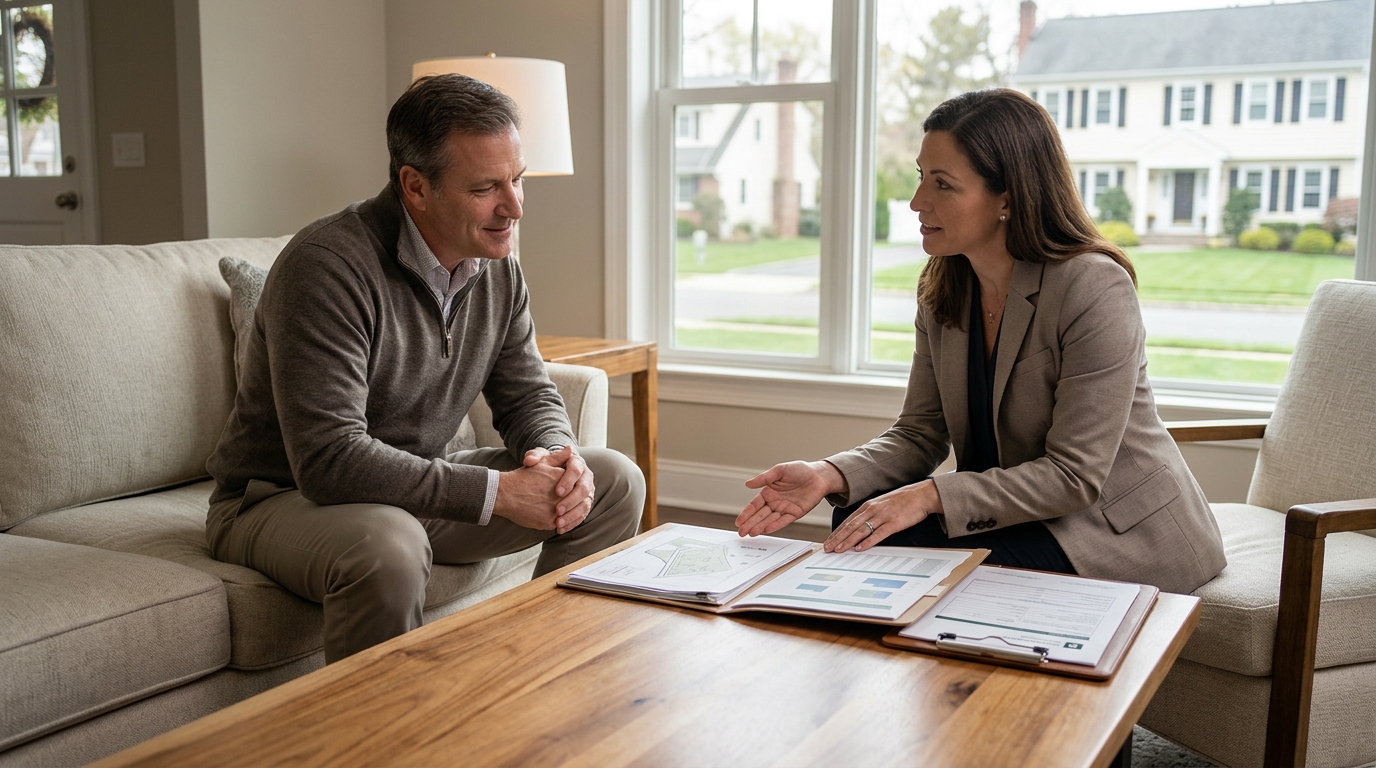
The process begins with a consultation to determine if an appeal is viable. The appraiser will review the current assessment, the property's characteristics, and recent market data. If the potential savings outweigh the costs, the engagement is formalized.
2. Property Inspection and Data Collection
A state-certified appraiser conducts a physical inspection of the property. This step is crucial for identifying discrepancies between the municipality's records and the actual condition of the property. Errors in square footage, room count, or structural integrity can significantly impact value. The appraiser also collects data on comparable sales and market trends.
3. Report Preparation and Delivery
The appraiser prepares a detailed report outlining the methodology, comparable sales, and final opinion of value. This report is delivered to the property owner and their attorney well before the hearing deadline. New Jersey Real Estate Appraisal Group prides itself on a quick turnaround time, ensuring clients have ample time to review the evidence.
4. The Hearing
During the hearing, the appraiser may be called to testify. The hearing officer will question the appraiser on their methodology and conclusions. A well-prepared appraiser can effectively defend the valuation, addressing any concerns raised by the municipality's expert.
For insights into how appraisals support legal proceedings, read our article on divorce settlement appraisals which highlights the importance of accurate valuations in legal contexts.
Service Comparison: DIY vs. Professional Appraisal
Many property owners consider handling their tax appeals without professional assistance. However, the complexity of New Jersey tax law and the evidentiary requirements make this a risky strategy. The table below compares the key aspects of DIY appeals versus professional appraisal support.
| Factor | DIY Appeal | Professional Appraisal Support |
|---|---|---|
| Evidentiary Strength | Weak; often relies on personal opinion or limited online data. | Strong; backed by USPAP-compliant data and professional analysis. |
| Cost | Low upfront cost, but high risk of losing the case. | Moderate upfront cost, with potential for significant tax savings. |
| Expert Testimony | Not available. | Available; appraiser can testify and defend the valuation. |
| Time Investment | High; requires extensive research and legal knowledge. | Low; the appraiser handles the valuation and reporting. |
| Success Rate | Lower; lacks professional credibility. | Higher; supported by industry-standard methodologies. |
Key Takeaways
- High ROI Potential: The cost of a professional appraisal is typically recovered within the first year of tax savings for most residential and commercial properties.
- USPAP Compliance is Mandatory: Tax boards require evidence that meets professional standards; non-compliant reports are often dismissed.
- State-Certified Expertise: Only state-certified appraisers have the authority to provide valuations that are legally defensible in New Jersey tax hearings.
- Timely Action is Critical: Appeals must be filed within strict deadlines, often before the tax bill is issued. Early engagement with an appraiser is essential.
- Comprehensive Data Analysis: Professional appraisers use verified market data and income analysis, not automated valuation models, to ensure accuracy.
- Local Market Knowledge: Appraisers with 26+ years of experience in New Jersey understand local market nuances that online tools miss.
- Court-Ready Documentation: A professional report serves as a robust legal document, strengthening the position of both the property owner and their attorney.
Frequently Asked Questions
How much does a professional appraisal cost for a tax appeal?
Residential appraisals typically range from $400 to $800, while commercial appraisals can range from $1,500 to $5,000 or more, depending on the property's complexity and size.
Is a professional appraisal required for a New Jersey tax appeal?
While not legally mandatory, a professional appraisal is highly recommended. Tax boards give significant weight to evidence provided by state-certified appraisers who adhere to USPAP standards.
What is the deadline for filing a tax appeal in New Jersey?
Deadlines vary by municipality but are generally strict. For most municipalities, the deadline is before the tax bill is issued or within a specific window after the assessment is published. Early consultation is critical.
Can I use an online valuation tool instead of a professional appraisal?
Online tools provide estimates but lack the legal weight and detailed analysis required for a successful tax appeal. They do not account for specific property conditions or local market nuances.
How long does the appraisal process take?
New Jersey Real Estate Appraisal Group typically delivers appraisal reports within 5-7 business days following the inspection, ensuring timely submission for tax hearings.
What is USPAP compliance?
USPAP stands for the Uniform Standards of Professional Appraisal Practice. It is the generally accepted standard for real estate appraisal in the United States, ensuring ethical and competent practice.
Do appraisers testify at tax board hearings?
Yes, appraisers can be called to testify to defend their valuation. Their expertise and adherence to professional standards can significantly influence the hearing officer's decision.
Request Your Tax Appeal Consultation
Do not let inflated property assessments drain your resources. Engage with New Jersey Real Estate Appraisal Group to conduct a thorough cost-benefit analysis of your property's value. Our state-certified appraisers provide the accurate, court-ready valuations you need to win your appeal.
Contact us today to schedule your consultation and protect your financial interests. Call or text 908-517-3913 for immediate assistance.