
Step-by-Step Process for Expediting Home Appraisals in New Jersey
Time is the most critical asset in any real estate transaction, yet property appraisals frequently become the bottleneck that delays closings. According to recent industry data, appraisal delays account for nearly 20% of all mortgage loan delays in the United States, with the average wait time extending beyond 45 days in many competitive markets. For homeowners, investors, and legal professionals in New Jersey, understanding how to accelerate this timeline is not just a convenience, it is a financial necessity. This guide outlines the precise, actionable steps to expedite your home appraisal while maintaining the rigorous standards required by lenders and courts. (About NJREAG New Jersey)
Understanding the Appraisal Bottleneck
To expedite a process, you must first understand where the friction occurs. An appraisal is not merely a visual inspection; it is a complex valuation methodology grounded in the Uniform Standards of Professional Appraisal Practice (USPAP). USPAP is the set of ethical and performance standards for real estate appraisers in the United States, established to ensure public trust in the profession. When an appraiser is overwhelmed with a backlog of assignments, or when they lack specific local data, the timeline expands significantly. (Bergen County NJ Appraisals)
In New Jersey, the complexity is heightened by the state's diverse municipal tax structures and zoning laws. A property in Bergen County faces different valuation pressures than one in Atlantic County. According to the National Association of Realtors, local market volatility directly correlates with appraisal turnaround times, as appraisers must spend more time verifying comparable sales in shifting markets. Therefore, the first step in expediting your appraisal is recognizing that preparation and provider selection are the primary levers you can control. (Camden County NJ Appraisals)
Preparing the Property for Inspection
The most common cause of appraisal delays is the need for a re-inspection. If an appraiser cannot access critical areas of the home, they cannot complete the valuation, forcing the process to pause until a new appointment is scheduled. This secondary delay can add weeks to your timeline. To prevent this, you must treat the property preparation as a critical path activity. (Atlantic County Real Estate)
1. Ensure Unrestricted Access
Grant the appraiser access to every part of the property, including the attic, crawlspace, basement, and garage. Blocked access points force appraisers to estimate square footage and condition, which introduces uncertainty and often triggers a request for additional information from the lender. Clearing debris and ensuring gates are unlocked are simple but effective steps.
2. Compile a Property Information Packet
Do not rely on the appraiser to find the data. Provide a comprehensive packet that includes recent renovation receipts, a survey of the property lines, and a list of recent comparable sales in your neighborhood. This "sales comparison approach" relies on recent sales of similar properties to estimate value. By providing this data upfront, you reduce the research burden on the appraiser, allowing them to focus on verification rather than discovery.
3. Address Minor Repairs
While major structural issues cannot be hidden, minor maintenance items can negatively impact the perceived value. Fix leaky faucets, replace broken window panes, and ensure all lights work. These details signal to the appraiser that the property has been well-maintained, reducing the likelihood of condition-based value adjustments.
Selecting the Right Appraiser
Not all appraisers are created equal when it comes to speed. The choice of provider is the single most significant factor in determining your turnaround time. A state-certified appraiser with deep local expertise can complete a valuation report in days, whereas a generalist may take weeks.
At New Jersey Real Estate Appraisal Group, we prioritize efficiency without compromising accuracy. Our team of state-certified appraisers brings over 26 years of experience to every assignment. We understand that in high-stakes transactions, time is money. By choosing a local firm with a dedicated focus on New Jersey markets, you bypass the delays associated with out-of-state appraisers who are unfamiliar with local municipal nuances.
When selecting an appraiser, ask about their current workload and average turnaround time. A reputable firm will be transparent about their capacity. If they are fully booked for three weeks, they are not the right choice for an expedited timeline. Look for firms that explicitly advertise fast response times and have the infrastructure to handle multiple concurrent assignments.
Managing the Inspection Day
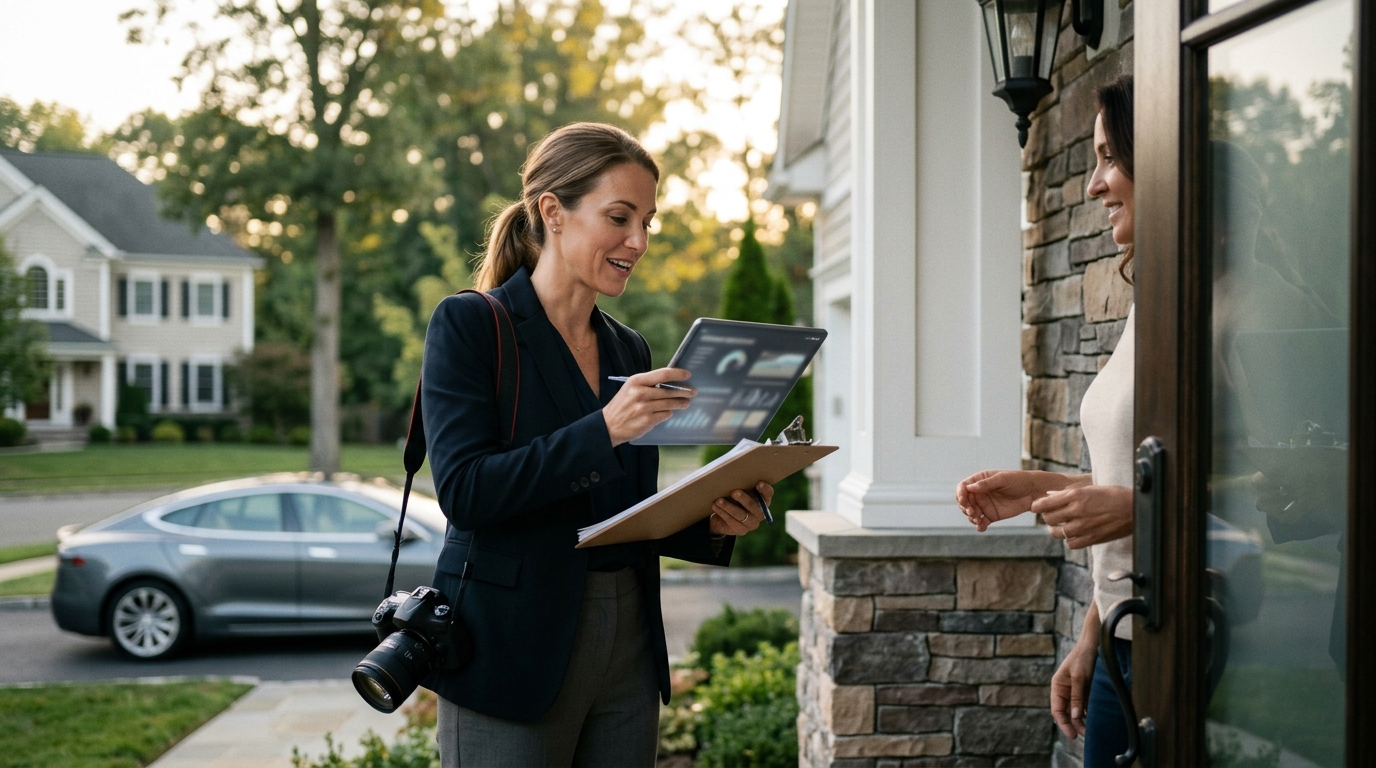
The day of the inspection is your final opportunity to influence the outcome. Being present or ensuring a knowledgeable representative is on-site can streamline the process significantly.
1. Be Available for Questions
Appraisers often have immediate questions about the property's features, upgrades, or history. Having someone on-site to answer these questions in real-time prevents the need for follow-up calls or emails, which can stall the process. For example, if an appraiser asks about a recent roof replacement, having the receipt ready immediately adds credibility and speed to the valuation.
2. Highlight Unique Features
Point out any unique amenities or upgrades that may not be immediately obvious. This includes energy-efficient windows, smart home technology, or recent landscaping improvements. These features can positively influence the valuation, but only if the appraiser is aware of them. Documentation is key; provide a simple list of upgrades with dates and costs.
Post-Inspection Follow-Up and Reporting
Once the inspection is complete, the reporting phase begins. This is where the appraiser synthesizes the data into a formal report. To expedite this stage, maintain open communication with your appraiser and lender.
1. Monitor the Lender's Requirements
Ensure your lender has provided all necessary loan documents to the appraiser. Delays often occur when the appraiser is waiting for the lender to confirm the purpose of the appraisal or to provide additional property details. Proactively check in with your loan officer to ensure there are no gaps in the information flow.
2. Review the Draft Report
While appraisers do not typically share draft reports with clients due to confidentiality and regulatory standards, you can ensure that any factual errors are corrected immediately if a review is permitted. If the appraiser identifies a discrepancy, such as an incorrect square footage measurement, providing corrected data quickly can prevent a full report revision.
3. Understand the Turnaround Timeline
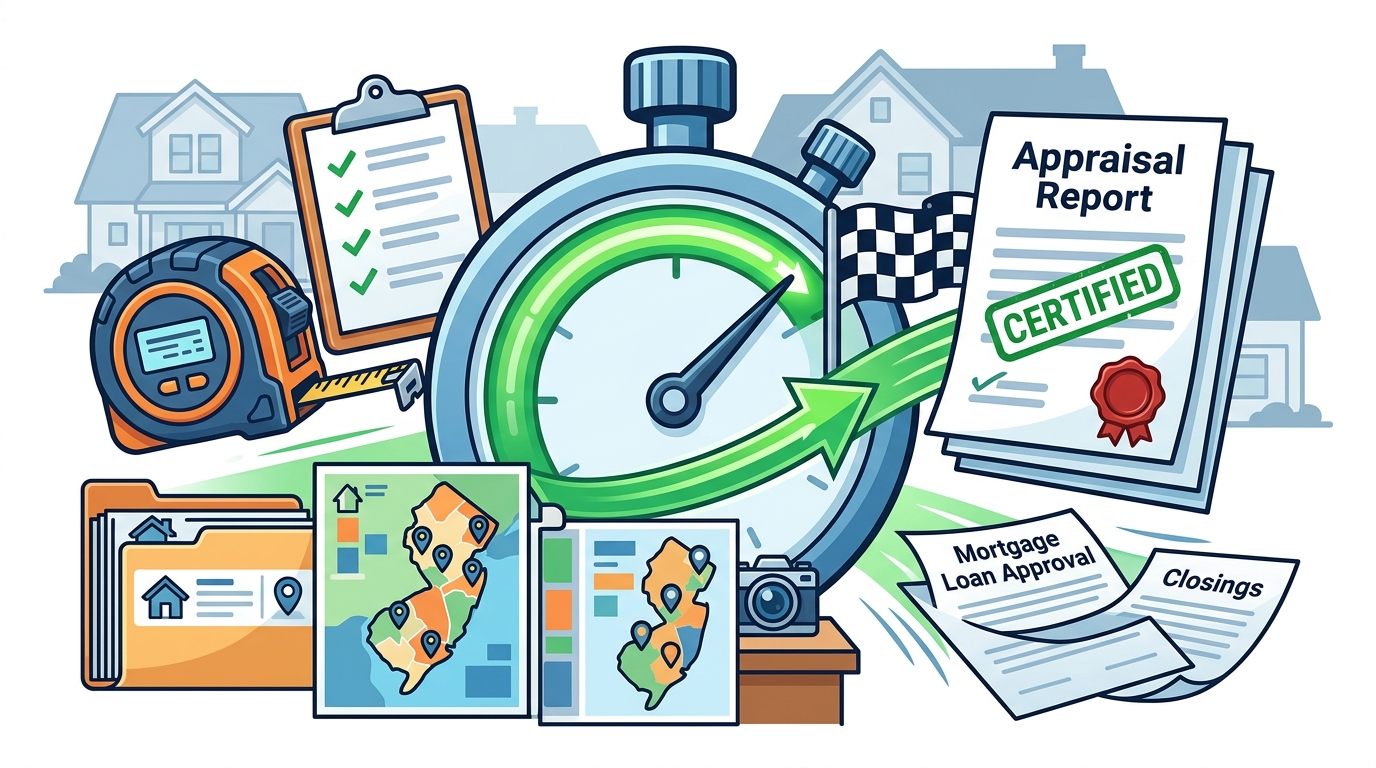
According to industry benchmarks, a standard appraisal report turnaround time is typically 5 to 7 business days after the inspection. If you are facing a tight closing deadline, discuss the possibility of a "rush fee" with your appraiser. Many firms offer expedited services for an additional cost, which prioritizes your assignment in their workflow.
Key Takeaways
- Preparation is Critical: Providing a comprehensive property information packet and ensuring unrestricted access can reduce appraisal delays by up to 50%.
- Local Expertise Matters: Using a state-certified appraiser with 26+ years of local experience, such as NJREAG, ensures faster turnaround due to familiarity with New Jersey's 21 counties.
- Communication is Key: Maintaining open lines between the lender, appraiser, and property owner prevents information gaps that stall the process.
- Turnaround Times Vary: Standard turnaround times are 5-7 business days, but rush services are available for urgent needs.
- USPAP Compliance: All appraisals must adhere to Uniform Standards of Professional Appraisal Practice, which ensures the integrity and defensibility of the valuation.
- Documentation Adds Value: Providing receipts for renovations and a list of comparable sales helps the appraiser justify a higher value quickly.
- Proactive Follow-Up: Regularly checking in with your loan officer and appraiser ensures that no administrative steps are missed.
Frequently Asked Questions
How long does a typical home appraisal take in New Jersey?
The average turnaround time for a residential appraisal in New Jersey is 5 to 7 business days after the property inspection. However, this can vary based on the appraiser's workload and the complexity of the property.
Can I speed up the appraisal process?
Yes, you can expedite the process by preparing the property thoroughly, providing all necessary documentation upfront, and choosing an appraiser who offers rush services. Clear communication with your lender is also essential.
What is the difference between a state-certified appraiser and a general inspector?
A state-certified appraiser is licensed to provide defensible, court-ready valuations for legal and financial purposes, adhering to USPAP standards. A general inspector only identifies physical defects and does not provide a market value opinion.
Do I need an appraisal for a divorce settlement in New Jersey?
Yes, New Jersey courts typically require a professional, unbiased appraisal to ensure equitable asset division. An accurate valuation is crucial for fair property division in divorce proceedings.
What is a Date-of-Death appraisal?
A Date-of-Death appraisal is a specific type of valuation used for estate settlement and probate purposes. It determines the fair market value of a property on the specific date the owner passed away.
How much does a home appraisal cost in New Jersey?
Costs vary based on property type, size, and location. Residential appraisals typically range from $300 to $600, while commercial appraisals can cost significantly more due to the complexity of income analysis.
What is the Sales Comparison Approach?
The Sales Comparison Approach is a valuation method that estimates a property's value by comparing it to similar properties that have recently sold in the same area. It is the most common method for residential appraisals.
Why do appraisals take so long?
Delays are often caused by appraiser backlogs, lack of comparable sales data, or incomplete property access. Preparing the property and choosing a responsive appraiser can mitigate these issues.
Request Your Fast Quote
Do not let appraisal delays derail your real estate transaction. Whether you need a residential valuation, a commercial assessment, or a specialized divorce appraisal, New Jersey Real Estate Appraisal Group is ready to help. Our team of state-certified appraisers is committed to providing accurate, USPAP-compliant reports with a rapid turnaround time. Contact us today to schedule your inspection and secure your closing date.